">
Chapter, who pays the price
The measured impact

What warming is doing to life on Earth.

Longer heatwaves. Drier land. Coral reefs losing their color as the ocean warms. Below, we show the numbers behind each of these.
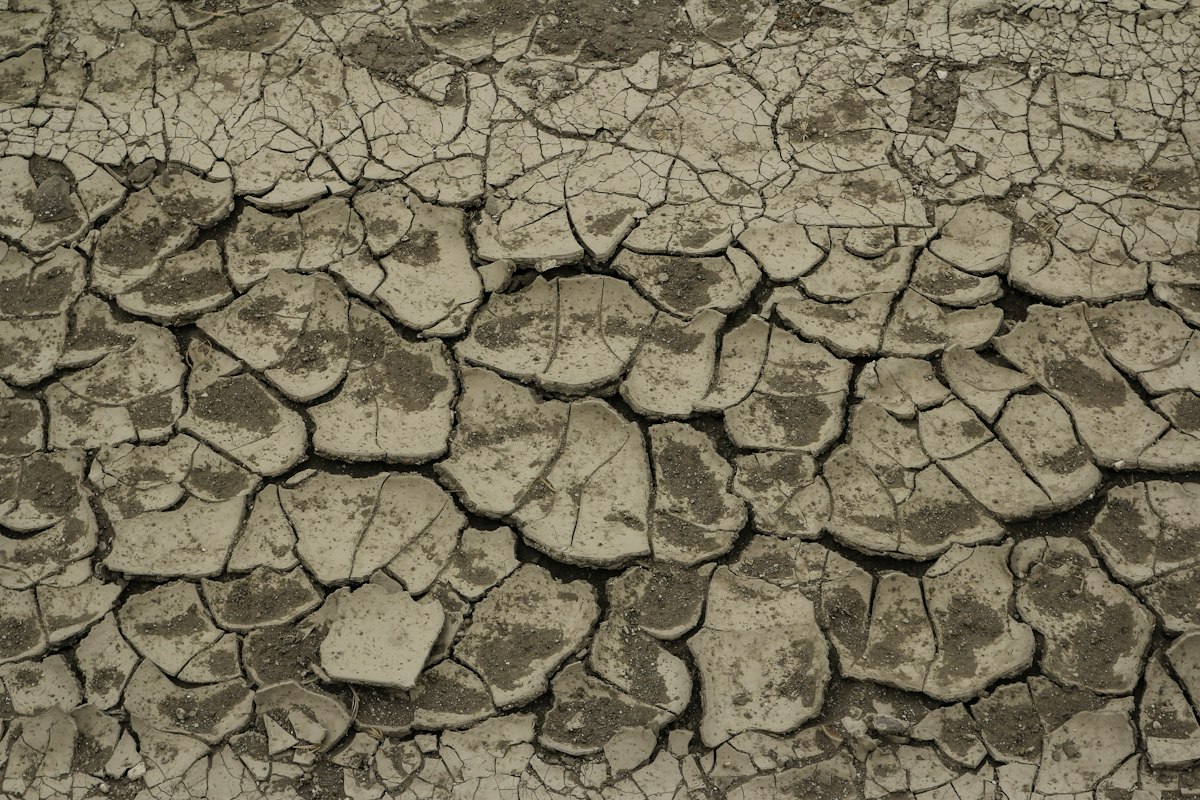
Cracked, dry earth showing the effects of drought
Heat and drought124 million more people faced food insecurity in 2023 due to droughts and heatwaves.
Key findings
  • Heat now kills an estimated 546,000 people a year, a figure up 23% since the 1990s.
  • Wildlife populations have fallen by 73% on average since 1970, with Latin America's decline the steepest of any region.
  • Climate related disasters could displace 44 to 216 million people within their own countries by 2050, depending on how much emissions are cut.
Global temperature rise
Degrees C above 1850 to 1900
Source: NASA GISTEMP
Ocean heat content
Zettajoules above 1955 to 2006 average
Source: NOAA
Coral reefs hit by bleaching stress
Percent of world reef area
Wildlife population decline
Living Planet Index since 1970
Source: ZSL and WWF
Disaster displacement
Millions of new displacements per year
Source: IDMC
Heat related deaths per year
Thousands of deaths, global average
IndicatorLatest figureComparisonSource

$822m pledged
$395bn owed every year

The world agreed to pay for climate damage it did not prevent. What follows is the gap between that promise and reality.

The bill
Who is actually paying

Agreed. Not paid.

$822m
Pledged to the Loss and Damage Fund
Total pledges since COP27. Around $448 million has been disbursed. The United States withdrew its pledge in 2025.
Source: UNFCCC
$395bn
Estimated annual loss and damage
A 2024 study in Nature put annual climate loss and damage at around $395 billion. Total pledges to date amount to under a quarter of one percent of a single year's damage.
Source: Nature, 2024
Pledged versus needed, per year
$822m pledged in total, against $395bn of damage every year

How we got here

A timeline of the bill.