Updated July 202618 countries tracked
What is being done
How the world is responding
The clean energy race.
This is the other half of the story, not just what is being lost, but what is being built to slow it down.
Key findings
- The world added a record 585 gigawatts of renewable capacity in 2024, over three quarters of it solar.
- Several countries already run 90% or more renewable electricity, at very different income levels, from Norway to Kenya.
- The United States withdrew from the Paris Agreement in January 2026, reversing federal clean energy policy.
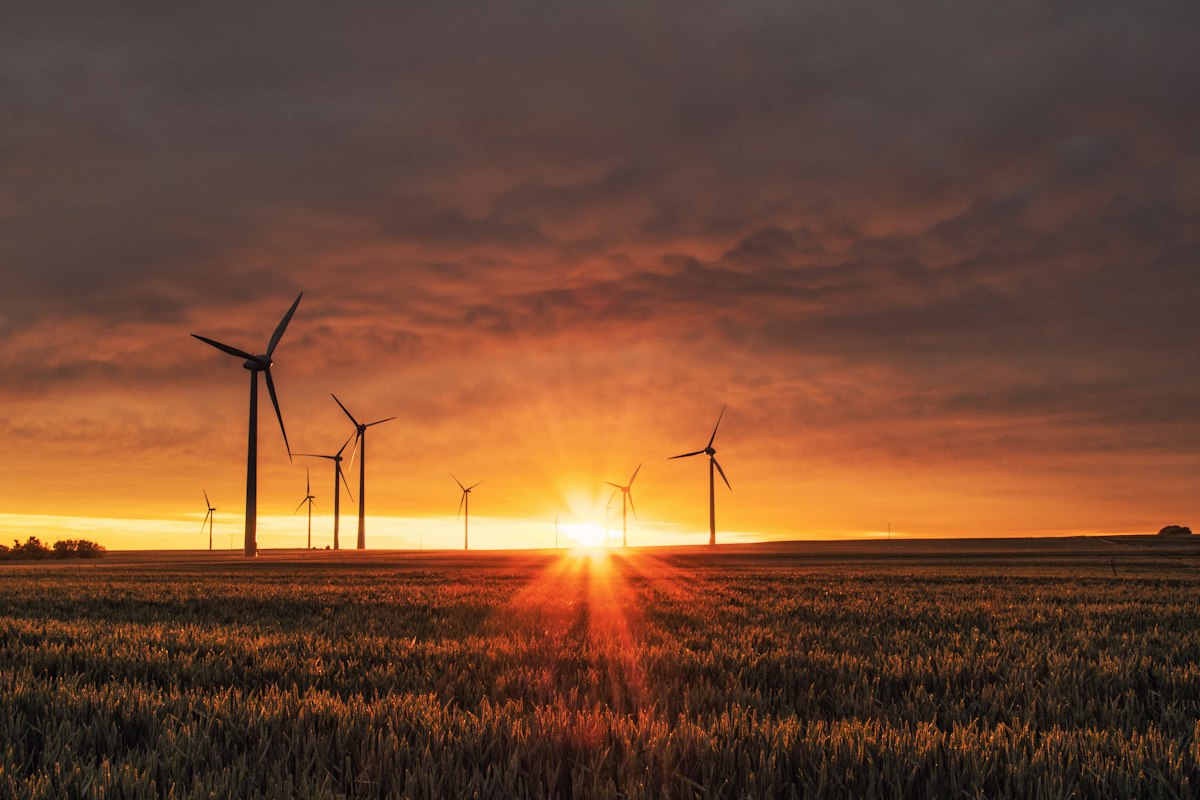
Clean energyThe world added a record 585 gigawatts of renewable capacity in 2024.
Share of electricity from renewables
Leaders and major economies, percent of generation
Global renewable capacity
Installed gigawatts worldwide, all sources
585 GW
Record renewable capacity added worldwide in 2024, with solar accounting for over three quarters of the growth. IRENA
2060
China's carbon neutrality target. China installs more solar and wind than the rest of the world combined, while still building coal plants. IEA
90%+
Share of renewable electricity in Kenya, Ethiopia and Norway, showing clean grids are achievable at very different income levels. Ember
Paris exit
The United States withdrew from the Paris Agreement in January 2026 and rolled back major clean energy policies. Climate Central
Reading the picture
What the renewable share does and does not tell you.
A country with 90 percent renewable electricity, like Kenya or Ethiopia, is not necessarily a low emissions country overall. These figures cover electricity generation only, not total energy use, which includes transport, heating and industry, areas where fossil fuels still dominate almost everywhere.
Norway is nearly 100 percent renewable at home and is also one of the largest oil and gas exporters on Earth. Ethiopia and Kenya are close to fully renewable largely because they never built large fossil fuel grids to begin with, not because of a deliberate transition away from one. Germany, Spain and Denmark represent the clearest cases of large industrial economies actively displacing fossil fuels with renewables at scale.
The honest read: renewable electricity share is a genuinely useful signal, but it is one piece of a larger picture that includes historical emissions, per person consumption, and what a country does with its fossil fuel wealth once it has clean power at home.